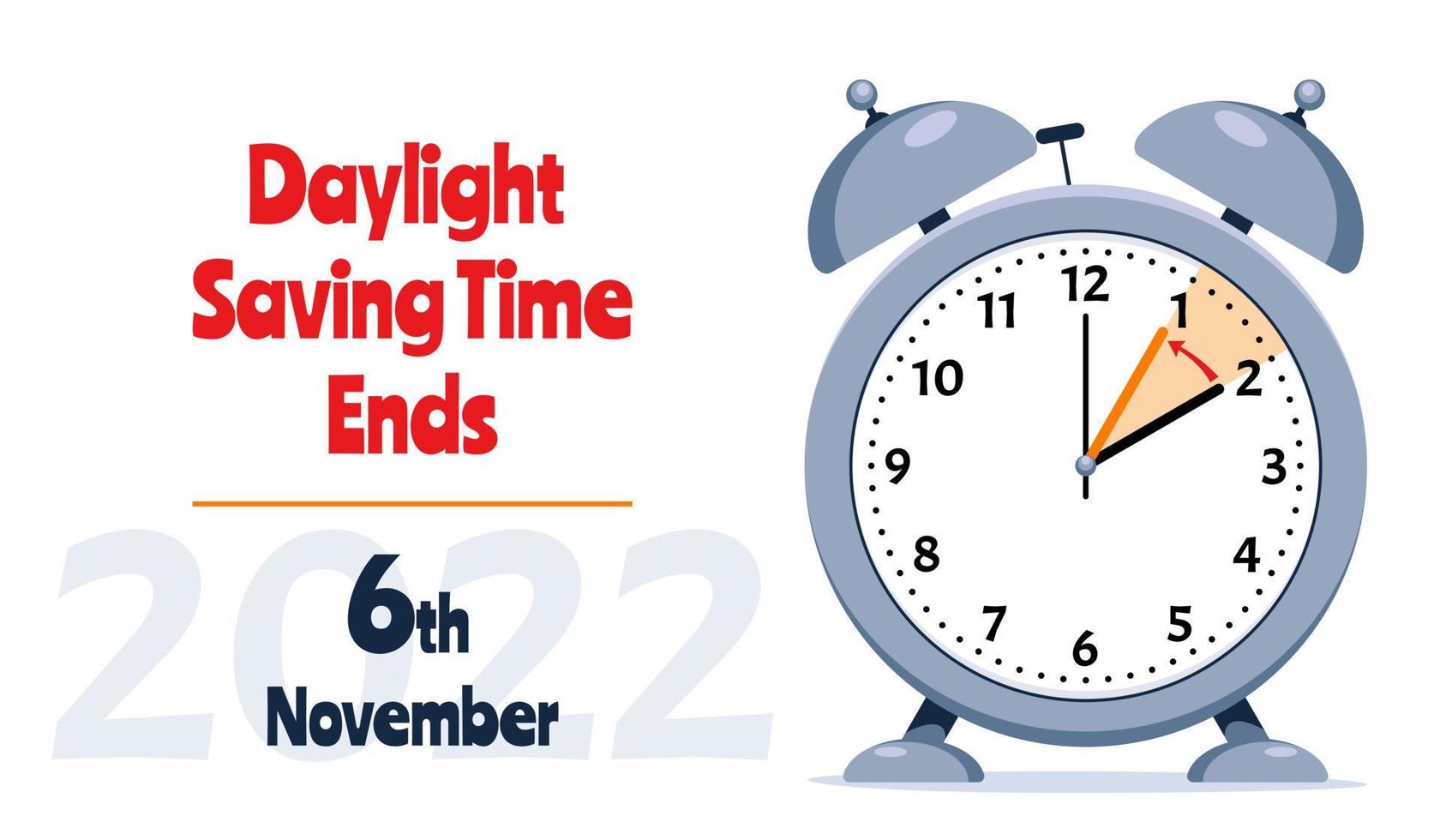
Importance of Daylight Savings Time Ending
As we approach the end of daylight savings time (DST), many Americans are preparing for the annual shift that will occur on November 5, 2023. The time change marks the end of longer daylight hours, affecting various aspects of daily life such as sleep patterns, productivity, and even mental health. As such, understanding the implications of this change is critical for individuals and families alike.
Effects on Daily Life
Research indicates that the transition out of daylight savings time can lead to various adjustments. Many people may experience fatigue, difficulty concentrating, or changes in mood following the time change. According to experts, the end of daylight savings time often correlates with an increase in heart attacks and workplace accidents in the week following the shift, largely attributed to sleep disruption.
Additionally, the earlier onset of darkness affects outdoor activities and can potentially lead to increased seasonal affective disorder (SAD) symptoms in sensitive individuals. The end of DST can also influence the dynamics of family life and after-school activities, with less available sunlight for outdoor play.
Historical Context
Daylight savings time was first proposed in 1895 by New Zealand scientist George Hudson but was widely adopted during World War I and again in World War II as a means of conserving energy. Today, the U.S. continues to observe daylight savings time, with changes occurring on the second Sunday in March and the first Sunday in November each year. While some states have moved to abolish the practice or remain on standard time all year, the majority still adhere to this schedule.
Preparing for the Change
As the end of daylight savings time approaches, experts recommend making gradual adjustments to bedtime and wake-up schedules to minimize the impact of the time change. Adjusting daily routines a few days in advance can help ease the transition. Additionally, maintaining a sleep-friendly environment, such as reducing exposure to screens before bed and keeping the bedroom dark, can improve sleep quality.
Future of Daylight Savings Time
The discussion surrounding the relevance of daylight savings time continues, with several states introducing bills to either eliminate the clock change or make daylight savings time permanent. As public sentiment leans toward abolishing this biannual shift, it remains to be seen how future legislation may affect the tradition of changing clocks.
Conclusion
As we prepare for the end of daylight savings time on November 5, it is crucial to consider how this transition can influence our lives. By understanding the impact and making appropriate adjustments, we can ensure a smoother transition into standard time while keeping healthy routines intact. Stay informed and be aware of how this time change affects you personally.