Introduction
The United States population has always been a crucial metric for understanding the country’s social, economic, and political climates. Recent census data and demographic studies reveal significant changes in population trends that impact various sectors across the nation. Understanding these trends is essential for policymakers, businesses, and citizens alike, as they forecast future growth and help in planning for infrastructure, healthcare, and education needs.
Current Population Statistics
As of 2023, the United States Census Bureau reports that the US population has surpassed 335 million residents. This marks a growth rate of approximately 0.7% compared to the previous year, highlighting a slower growth trend than in decades past. One notable trend is the increasing diversity within the population, with Hispanic and Asian American communities experiencing the most significant growth. According to census projections, these communities are expected to play a crucial role in shaping the cultural landscape of the nation.
Aging Population
Another important aspect of the US population dynamics is the aging population. The median age in the US is now approaching 39 years, reflecting a demographic shift as the Baby Boomer generation continues to age. The proportion of individuals aged 65 and older is projected to increase to 21% by 2030, posing challenges for healthcare and social security systems. Policymakers are urged to address these challenges proactively, focusing on sustainable healthcare policies and senior support systems.
Migration Patterns
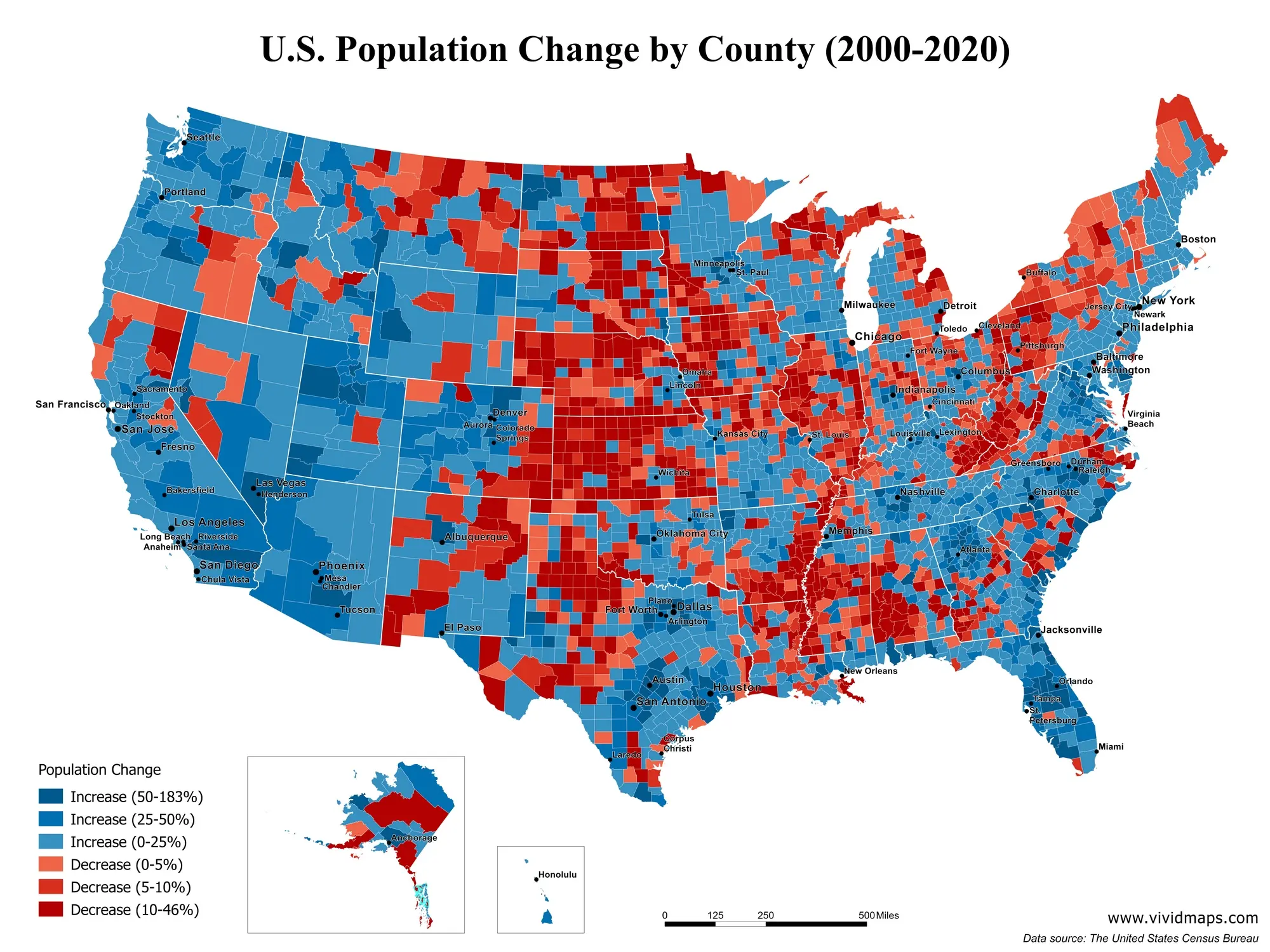
Migration, both domestic and international, has also played a significant role in the growth and distribution of the US population. Despite fluctuations in immigration policies, the US remains a top destination for migrants seeking better opportunities. Recent trends show a rise in internal migration, with people moving from high-cost urban areas to more affordable regions. States like Texas and Florida are experiencing population surges as residents seek lower taxes and better living conditions.
Conclusion
In conclusion, the US population continues to evolve, influenced by various factors such as diversity, aging, and migration trends. Understanding these dynamics is vital for planning at both local and national levels. As the nation adapts to these changes, it is essential for stakeholders to invest in infrastructure, education, and healthcare to meet the needs of an ever-changing demographic landscape. Looking ahead, monitoring these trends will be crucial in shaping the future of the United States and ensuring that it remains a land of opportunity for all its inhabitants.