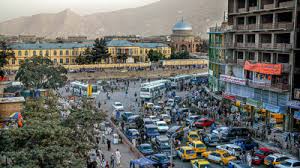
Introduction
The capital of Afghanistan, Kabul, has remained at the center of international focus due to its tumultuous political landscape and humanitarian challenges. Following the withdrawal of U.S. troops in August 2021 and the subsequent takeover by the Taliban, Kabul has undergone significant transformations that are crucial to understanding the broader implications for Afghanistan and the international community.
Recent Developments
Since the Taliban’s return to power, several events have distinguished Kabul’s precarious situation. Reports indicate a surge in humanitarian needs with more than 24 million people, approximately 60% of Afghanistan’s population, requiring emergency aid. The United Nations has warned that the humanitarian crisis in the country is compounded by economic collapse, widespread poverty, and food insecurity. Various NGO initiatives and international organizations are working tirelessly to alleviate some of this suffering, although they face numerous barriers including restrictions imposed by the Taliban on aid distribution.
International Relations and Aid
Foreign governments, particularly in the West, are adjusting their diplomatic strategies concerning Afghanistan. With the Taliban’s return, nations have been grappling with recognition and engagement. Countries like Pakistan and China have expressed a willingness to foster relations with the Taliban, while the United States and its allies are advocating for human rights, especially concerning women’s rights. The uncertainty surrounding recognition creates a strain on external financial aid, making it challenging for Kabul to stabilize economically.
Security Situation
The security landscape in Kabul remains fragile. While the Taliban claims to have improved security, targeted attacks against members of the Taliban and local communities continue to disrupt peace. The presence of ISIS-K, an offshoot of the Islamic State, poses a significant threat. The challenge for Taliban authorities is to ensure security while consolidating their rule, which has proven easier said than done.
Conclusion
The situation in Kabul continues to evolve amid ongoing challenges. While humanitarian efforts are crucial, the complexities of politics, international relationships, and security dynamics complicate the healing process. Stakeholders in global politics must navigate this delicate landscape to foster stability in Afghanistan. The future of Kabul holds significant implications not just for Afghanistan, but for regional security and international relations as well. The global community’s approach to humanitarian aid, political recognition, and engagement with the Taliban will dictate the next chapter of this country’s storied, yet troubled history.