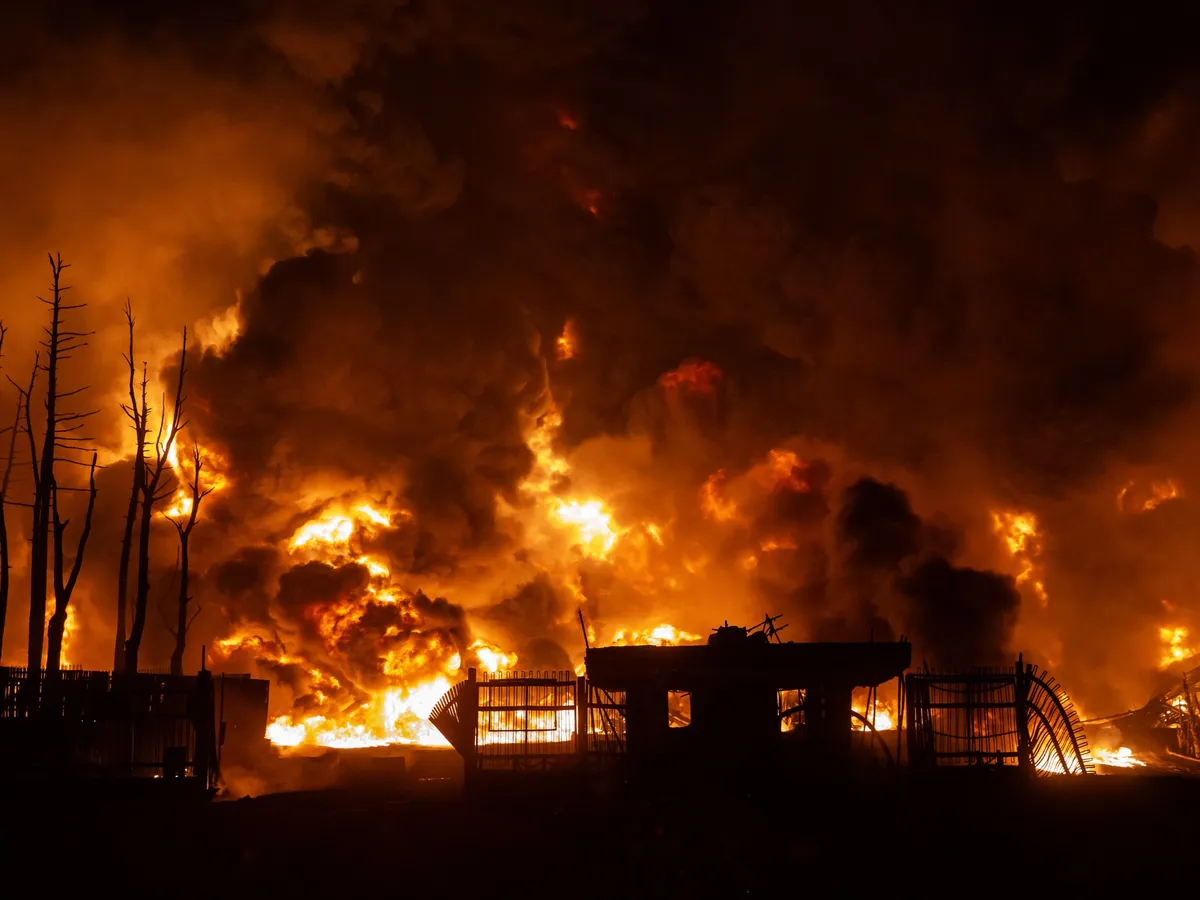
What is driving the recent surge in crude oil prices? The answer lies in the ongoing conflict between the United States and Israel against Iran, which has led to significant disruptions in oil supply and heightened market volatility.
Crude oil prices have surged past $100 a barrel, marking a notable increase as Brent crude rose by more than 30 percent, topping $119 a barrel. This spike in prices is attributed to the fallout from military actions initiated by the US and Israel against Iran, which began on February 28. Since then, crude oil prices have increased by approximately 50 percent, raising concerns about the stability of global energy markets.
One of the critical factors contributing to this price surge is Iran’s response to the strikes. The country has effectively halted shipping in the Strait of Hormuz, a vital passageway for oil transport that accounts for about one-fifth of the global oil supply. Furthermore, Iran’s Revolutionary Guard Corps has threatened to target energy facilities across the region, warning that oil prices could soar to $200 a barrel if tensions escalate further.
In response to the rising prices, oil prices briefly dropped back to around $110 per barrel following reports of discussions regarding the release of petroleum reserves. However, the overall trend remains upward, with the price of oil having risen over 37 percent in just one week. This volatility has led to sharp declines in Asian stock markets as investors brace for the economic fallout from rising energy costs.
The International Monetary Fund has indicated that every sustained 10 percent increase in oil prices results in a 0.4 percent rise in inflation, suggesting that the current surge could have broader economic implications. Additionally, Qatari Energy Minister Saad al-Kaabi has warned that Gulf producers might soon be forced to halt production if the situation does not stabilize.
As the conflict continues, Iran’s oil output has drastically decreased, now producing only a quarter of what it was prior to the US strikes. This significant reduction in output further exacerbates the supply issues, leading to increased prices at the pump. In the UK, for instance, the average price of petrol at forecourts has risen nearly 4 pence since the conflict resumed.
Former President Donald Trump commented on the situation, stating, “Short term oil prices, which will drop rapidly when the destruction of the Iran nuclear threat is over, is a very small price to pay for U.S.A., and World, Safety and Peace.” This sentiment reflects a broader perspective on the trade-offs involved in addressing geopolitical threats.
Details remain unconfirmed regarding the duration of the conflict and its long-term impact on oil prices. As the situation develops, the global community watches closely, aware that the energy market’s stability hangs in the balance amid these escalating tensions.