Introduction
The clavicle, commonly referred to as the collarbone, plays a crucial role in connecting the arm to the body. It is a vital bone in the skeletal system that supports the shoulder and enables a wide range of arm movement. Clavicular injuries, particularly fractures, are common among both athletes and non-athletes, often resulting from falls, direct impacts, or overuse. Understanding the significance of these injuries, their causes, and treatments is essential for timely recovery and return to normal activities.
Causes of Clavicular Injuries
Clavicular injuries predominantly stem from trauma, with the most frequent causes being:
- Sports Accidents: High-impact sports such as football, hockey, and cycling are notorious for causing clavicular fractures due to falls or direct blows.
- Falls: Accidental falls, even at low heights, can lead to injuries, especially in older adults who may have weakened bones.
- Birth Injuries: In newborns, clavicular fractures can occur during delivery, particularly in cases of difficult labor.
- Repetitive Stress: Activities that involve frequent overhead movements, such as tennis or swimming, may lead to chronic conditions affecting the clavicle.
Diagnosis and Symptoms
A clavicular injury typically presents with symptoms such as acute pain, swelling, and difficulty moving the shoulder or arm. Visual inspection may reveal deformity, especially in fractures. Physicians often employ X-rays or CT scans to diagnose the extent of the injury accurately.
Treatment Options
The treatment for clavicular injuries largely depends on the severity:
- Non-Surgical: Most clavicle fractures are treated without surgery. Patients may be advised to wear a sling, receive pain management, and undergo physical therapy.
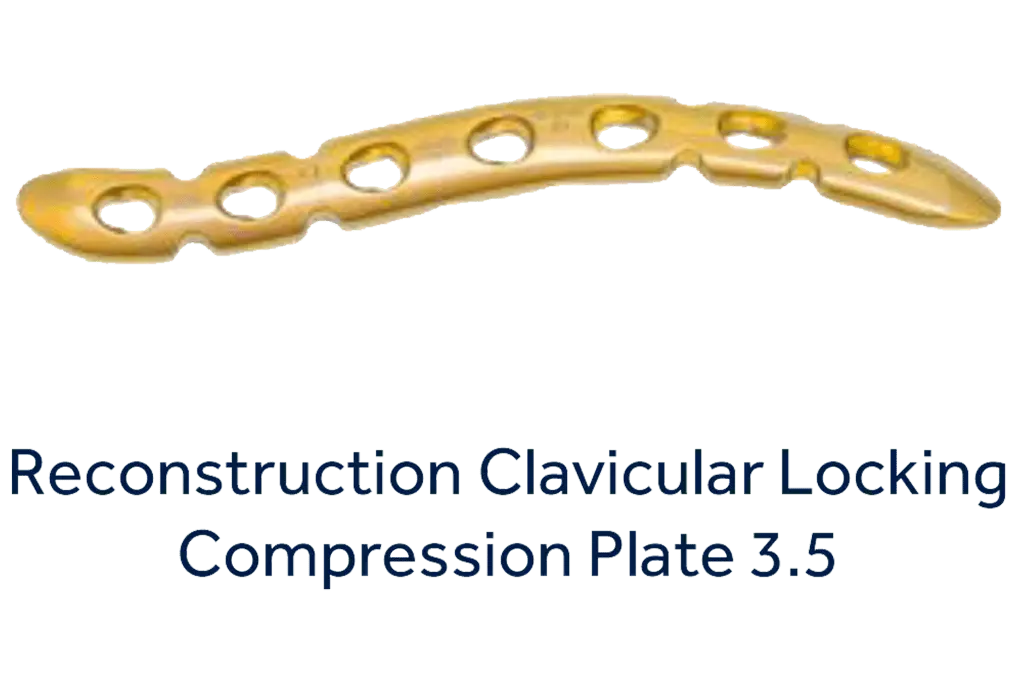
- Surgical: Severe fractures, particularly those that are displaced or involve multiple fragments, may require surgical intervention to realign the bones using plates, screws, or pins.
Recovery and Prognosis
Recovery from a clavicular injury varies, taking anywhere from a few weeks to several months. Adhering to rehabilitation protocols improves outcomes and minimizes complications. Approximately 80-90% of clavicular fractures heal without surgical intervention, offering a favorable prognosis for most patients.
Conclusion
Clavicular injuries must be approached with understanding and prompt treatment. With appropriate care, individuals can anticipate regaining full function in the shoulder and return to their daily activities. As participation in sports continues to rise, awareness of the factors leading to clavicular injuries can better equip athletes and active individuals to take preventive measures and seek early medical intervention when needed.