The wider picture
The Strait of Hormuz has been a point of contention due to regional tensions involving Iran and other countries. This vital waterway carries approximately one-fifth of the world’s oil, making it crucial for global energy security. In recent years, the strait has witnessed increased military activity and threats, particularly from Iran, which has conducted attacks on shipping in the area. The international community has been concerned about ensuring the safety and security of navigation through this critical passage.
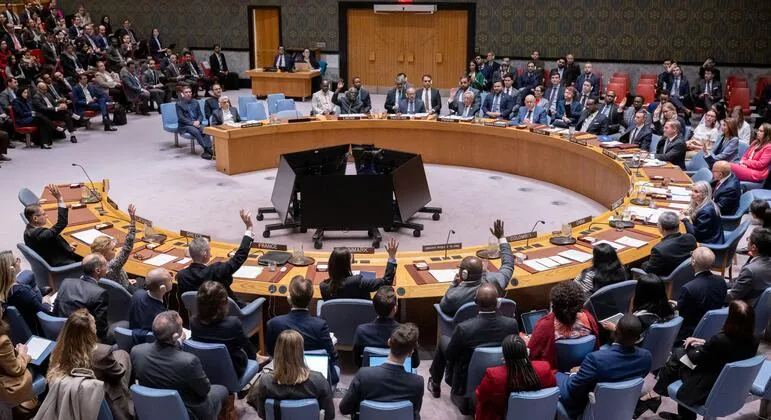
On April 11, 2026, a significant development occurred when China and Russia vetoed a UN Security Council resolution aimed at reopening the Strait of Hormuz. The resolution, which had garnered 11 votes in favor, was drafted by Bahrain in coordination with Gulf Cooperation Council member states. It sought to encourage states to ensure the safety of navigation in the strait and demanded that Iran cease all attacks on shipping.
Bahrain’s Foreign Minister Abdullatif bin Rashid Al Zayani expressed regret over the veto, stating, “Failing to adopt this resolution sends the wrong signal to the world.” This sentiment reflects the broader concerns among Gulf nations regarding Iran’s aggressive posture in the region and the potential implications for global oil markets.
Despite the resolution being heavily watered down amid opposition from veto-wielding countries, it was initially intended to authorize the use of force if necessary. However, this provision was removed in an effort to gain broader support. The vote occurred just hours before a deadline set by U.S. officials for Iran to comply with demands to reopen the strait, highlighting the urgency of the situation.
Russia’s envoy to the UN, Vasily Nebenzya, articulated his country’s position, arguing that the adoption of such a one-sided resolution would undermine any prospect for the resumption of negotiations. This statement underscores the complex geopolitical dynamics at play, where Russia and China appear to be aligning with Iran in opposition to U.S. interests in the region.
The U.S. has reacted strongly to the veto, with Ambassador Mike Waltz stating, “No one should tolerate that they are holding the global economy at gunpoint, but today, Russia and China did tolerate.” This reflects a growing frustration within the U.S. administration regarding the perceived inaction of the UN Security Council in addressing threats to international navigation and trade.
As the situation unfolds, observers are left to ponder the implications of this veto on regional stability and global oil prices. The Iranian regime has been given a deadline by U.S. officials to make a deal, further complicating the diplomatic landscape. The veto by China and Russia may embolden Iran’s stance, potentially leading to increased tensions in the Strait of Hormuz.
Details remain unconfirmed, but the international community is closely monitoring developments as they could have far-reaching consequences for energy security and geopolitical relations in the Middle East.