The Charleston Open, renowned as the largest women’s-only tennis tournament in North America, is poised to make history in 2026 with a record-setting prize money of $2.3 million. This significant financial milestone includes equal prize money for both men and women, achieved eight years ahead of the WTA’s goal for equal pay across all single-week, non-combined WTA 1000 and 500 tournaments by 2033.
As the tournament approaches, scheduled to commence on March 30, 2026, the excitement is palpable among players and fans alike. The event features a competitive 48-player draw, with byes for the top 16 seeds, ensuring that the best talent in women’s tennis will be on display.
Bob Moran, the tournament director and president of Beemok Sports & Entertainment, expressed his commitment to the financial equity in the sport. “We did not want to be in the business of subsidizing prize money,” he stated, highlighting the disparities in media revenue between the ATP and WTA. He noted, “Right now, what the ATP is bringing in media dollars far outweighs the WTA,” emphasizing the need for smarter changes based on analytics rather than dramatic shifts.
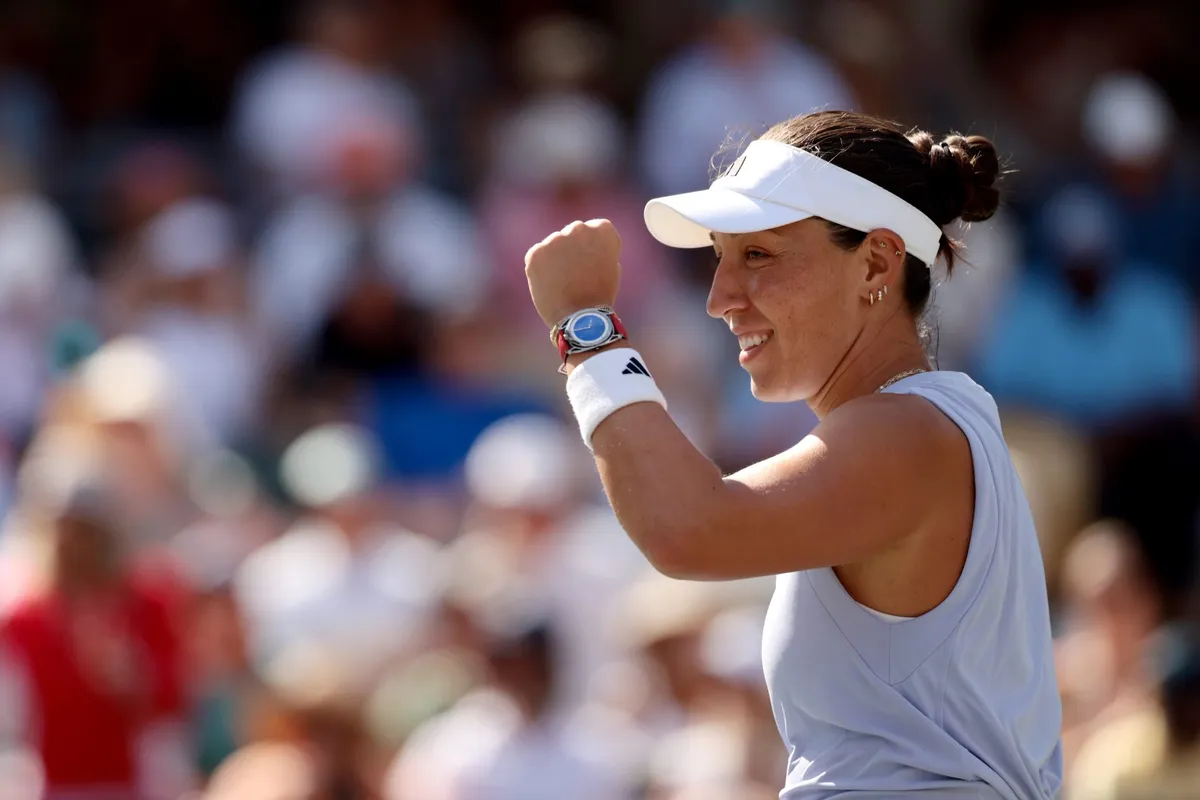
Jessica Pegula, the defending champion and No. 1 seed, is expected to lead the charge in the tournament. With a 19-4 record to begin 2026, she is a formidable competitor. However, the tournament will miss the presence of Amanda Anisimova and Emma Navarro, both of whom have withdrawn due to injury.
In addition to the prize money, the Charleston Open will contribute an additional $200,000 to the WTA’s player benefit programs, bringing the total financial commitment to $2.5 million. This move is seen as a significant step towards supporting female athletes in the sport.
As the tournament draws near, players and fans are eager to see how the competition unfolds. Katie Volynets, another participant, remarked, “I have great support here. Just continuing to have fun on the court and mix it up,” reflecting the positive atmosphere surrounding the event.
With the Charleston Open setting new standards for prize money and player support, the tennis community is watching closely to see how these developments will impact the landscape of women’s tennis in the coming years.