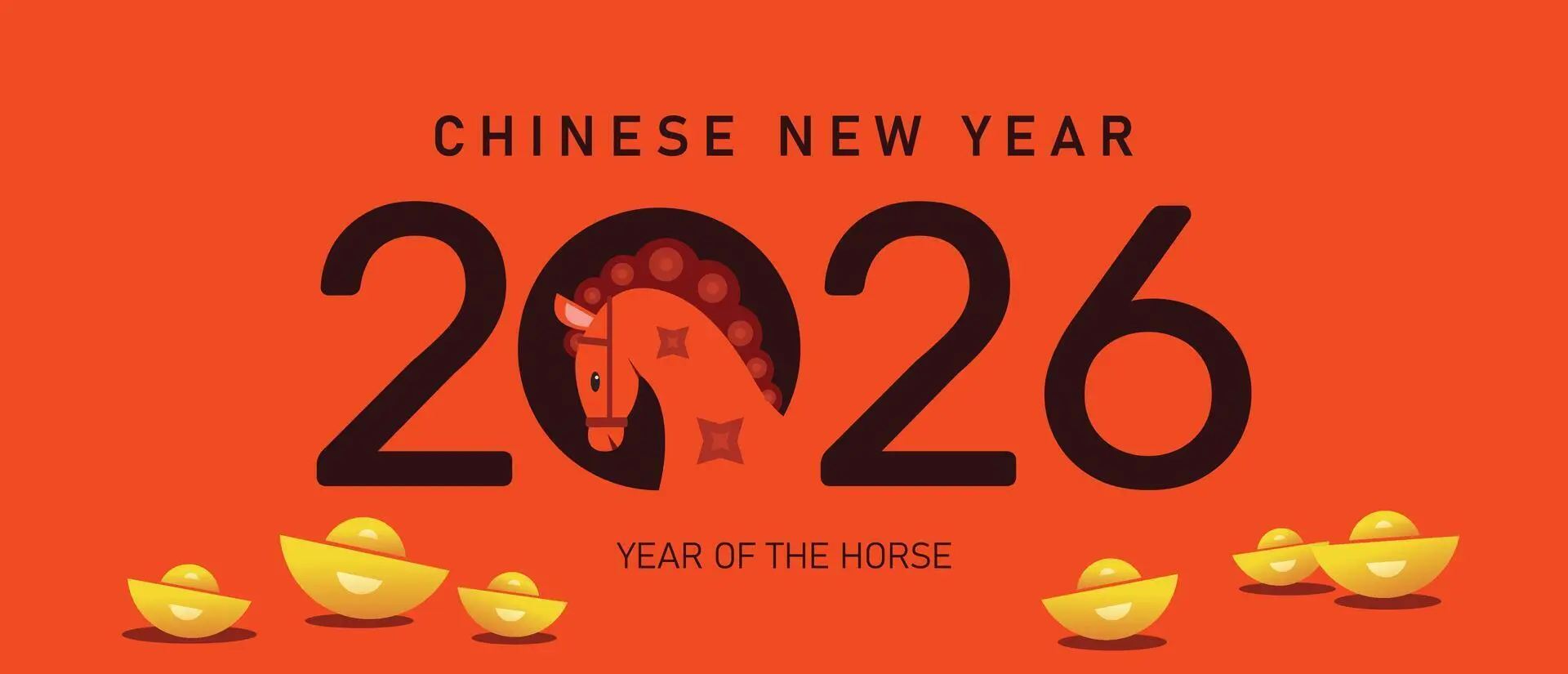
Introduction to Chinese New Year 2026
Chinese New Year, also known as Lunar New Year or Spring Festival, is one of the most important traditional holidays celebrated by millions of people around the world. In 2026, Chinese New Year will fall on February 17th, marking the beginning of the Year of the Fire Horse. The festival is a time for family reunions, cultural festivities, and reflects the rich heritage of Chinese customs. Its relevance continues to grow globally as more communities integrate these traditions into their lifestyles.
Events and Cultural Significance
Chinese New Year lasts for 15 days, culminating in the Lantern Festival. The celebrations typically begin with preparations two weeks prior, including cleaning homes to sweep away bad luck and purchasing new clothing for the celebrations. Families come together to honor their ancestors and share special meals on Reunion Dinner Night, which includes traditional dishes like dumplings, fish, and rice cake, symbolizing prosperity and abundance.
In addition to family feasts, public events are common, featuring lion dances, dragon parades, and fireworks. These vibrant displays not only entertain but also serve to ward off evil spirits and attract good fortune for the coming year. Each year, festivities vary by region, with unique adaptations that showcase local traditions.
The Year of the Fire Horse
The year 2026 is significant as it will be categorized under the Fire element and aligned with the Horse zodiac sign. The Horse is associated with strength, energy, and freedom, making it a promising year for those looking to make bold changes. Fire, as an element, symbolizes passion and motivation, suggesting an overall year of enthusiasm and dynamism.
Global Impact and Future Outlook
The global influence of Chinese New Year celebrations is evident, with cities around the world—from San Francisco to Sydney—holding large-scale events to commemorate the holiday. As more cultures embrace these festivities, there is an increasing emphasis on inclusivity and understanding cultural diversity. The ongoing globalization of the festival means that the lunar new year is becoming a significant event beyond the Chinese community, encouraging broader participation in cultural exchange.
Conclusion
Chinese New Year 2026 presents an opportunity not only for celebration but also for cultural appreciation and unity. As families and friends prepare to welcome the Year of the Fire Horse, it is essential to reflect on the traditions that unite them. This year’s festivities are expected to inspire joy, hope, and a fresh start, resonating strongly in both personal and communal contexts. Embracing these rich traditions will help foster understanding and respect across cultural lines, making the New Year a time for renewal and togetherness.