Introduction
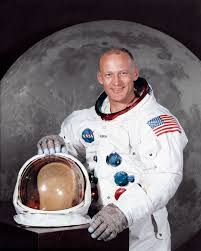
Buzz Aldrin, the second human to walk on the Moon, remains a significant figure in space exploration and STEM education. His journey, from flying combat missions in the Korean War to his historic Apollo 11 mission in 1969, serves as both inspiration and a testament to human ingenuity. Understanding his contributions is crucial as we navigate new frontiers in space travel and technology.
The Historical Apollo 11 Mission
On July 20, 1969, Buzz Aldrin, alongside Neil Armstrong, made history as they landed on the Moon as part of NASA’s Apollo 11 mission. Aldrin’s expertise as a pilot and engineer contributed to the success of the mission, marking a pivotal moment in the Space Race. In addition to his pivotal role in lunar landing, Aldrin’s experience demonstrated the importance of collaboration, precision, and determination in complex scientific endeavors.
Contributions to Science and Education
Following his time as an astronaut, Aldrin continued to devote himself to science and education. He has authored numerous books, including his acclaimed autobiography, *Return to Earth*. His efforts extend beyond literature; he founded the Buzz Aldrin Space Institute at Florida Institute of Technology, aiming to inspire young people to pursue careers in STEM fields.
In recent years, Aldrin has been vocal about space exploration policy and the future of human settlement on Mars. His ‘Aldrin Mars Cycler’ aims to create sustainable human travel between Earth and Mars, underlining his unwavering belief in the need for continued space exploration.
Recent Events and Ongoing Legacy
Buzz Aldrin has remained active in promoting space exploration and has appeared in various public events and social media platforms, consistently engaging with the younger generation. Most recently, he joined a themed cruise intended to raise awareness and excitement for space exploration, demonstrating his commitment to inspire new enthusiasts. Aldrin also advocates for the mental health of astronauts, discussing the importance of psychological support for space travelers during extended missions.
Conclusion
Buzz Aldrin’s contributions to space exploration and education resonate strongly today as humanity stands on the brink of new astronomical frontiers. As we look toward establishing a presence on Mars and beyond, Aldrin’s legacy not only exemplifies pioneering achievement but also underscores the importance of education and outreach in cultivating the next generation of explorers. His story reminds us of human potential and the enduring quest to understand our universe.