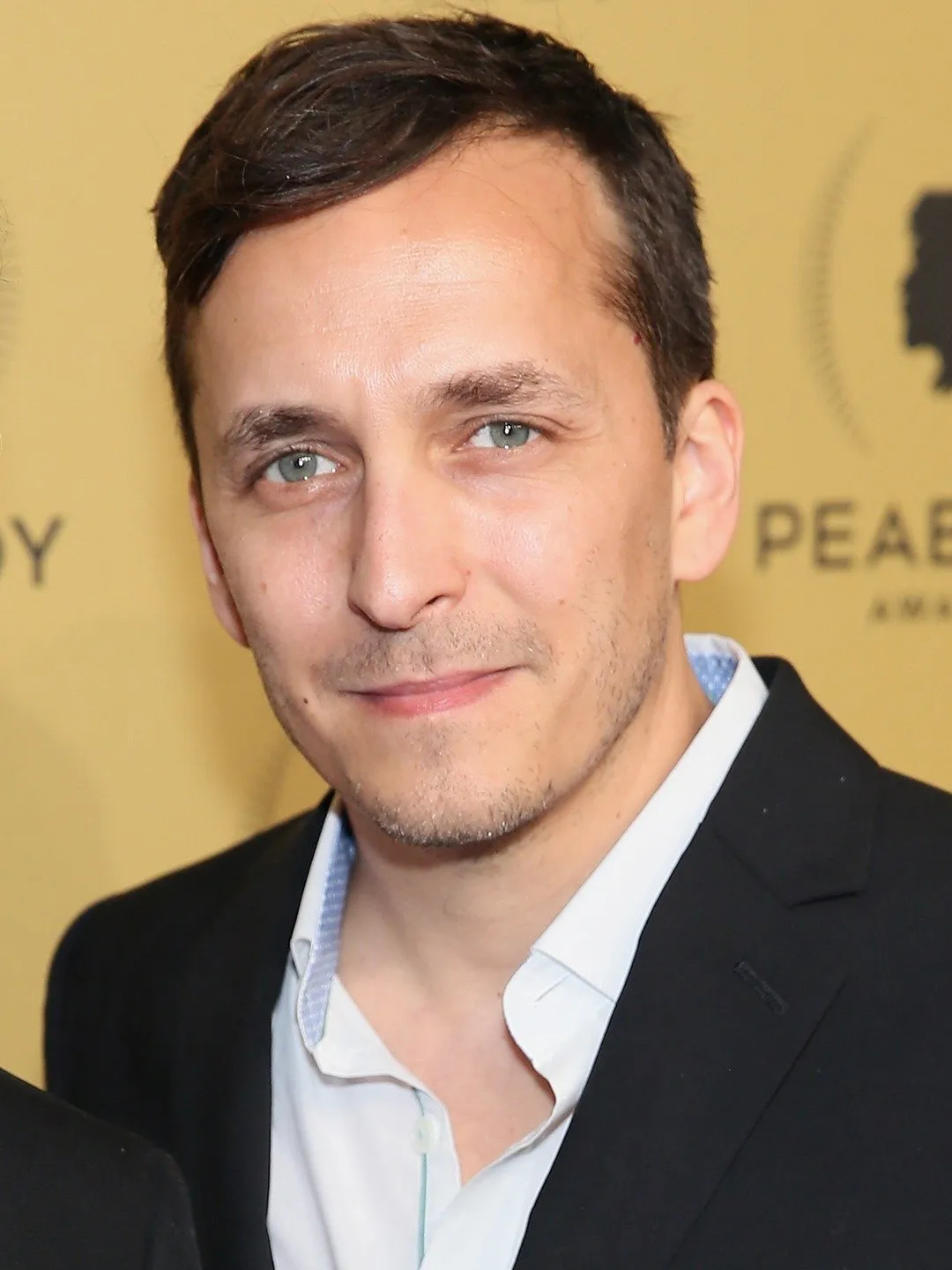
Who is involved
Before the tragic events of March 13, 2022, Brent Renaud was a well-respected journalist known for his dedication to capturing the human stories behind conflicts. Over two decades, he and his brother Craig Renaud produced numerous documentaries, focusing on the experiences of civilians in war-torn regions. Their work spanned various countries, including Iraq, Afghanistan, and Libya, and was characterized by a commitment to telling the stories of ordinary people caught in extraordinary circumstances.
However, the landscape of journalism in conflict zones shifted dramatically with Brent’s death. On that fateful day in Irpin, Northern Ukraine, he became the first foreign journalist killed while covering Russia’s invasion. This decisive moment underscored the escalating dangers faced by media personnel in active conflict areas. The immediate aftermath saw Craig Renaud recovering his brother’s body and the last bit of camera footage, a poignant reminder of the risks they both understood but could not fully escape.
The impact of Brent Renaud’s death reverberated throughout the journalism community and beyond. In 2022 alone, 69 journalists and associated media workers lost their lives while covering conflicts, a stark statistic that highlights the perilous nature of their work. Since Brent’s death, the grim tally has continued to rise, with 400 journalists reported killed, emphasizing the ongoing threats faced by those who strive to report the truth.
Experts and fellow journalists have voiced their concerns regarding the increasing violence against media workers. Craig Renaud reflected on their shared experiences, stating, “We had covered wars for 20 years together. We knew the risks, and we knew that unfortunately, one day, this could happen. And it did.” This acknowledgment of risk is a sobering reminder of the price many pay to ensure that the stories of those affected by war are told.
The documentary titled “Armed Only with a Camera: The Life and Death of Brent Renaud,” directed by Craig, further explores the circumstances surrounding Brent’s death and the broader implications for journalism. The film, which includes footage of Ukrainian citizens caring for Brent’s body after he was ambushed, was nominated for an Academy Award, highlighting the profound impact of his work and the tragedy of his loss.
Brent Renaud’s unique perspective as a journalist was shaped by his personal experiences, including his autism, which made it challenging for him to connect with people. Yet, he found a way to bridge that gap through his storytelling, focusing on the human elements of war. His commitment to raising the voices of ordinary people in conflict zones was evident in his work, and his death serves as a stark reminder of the high cost of such endeavors.
As the world reflects on the sacrifices made by journalists like Brent Renaud, the words of a Ukrainian man resonate deeply: “This is how Russians fight. This is a crime.” The ongoing conflict in Ukraine continues to pose significant risks to those who seek to document the truth, and Brent’s legacy will undoubtedly influence future generations of journalists.
In the wake of Brent’s death, the conversation surrounding journalist safety has gained renewed urgency. Craig Renaud poignantly remarked, “The cost of telling the truth, of raising ordinary people’s voices, keeps getting higher.” This sentiment encapsulates the challenges faced by journalists worldwide as they navigate the complexities of reporting in dangerous environments.