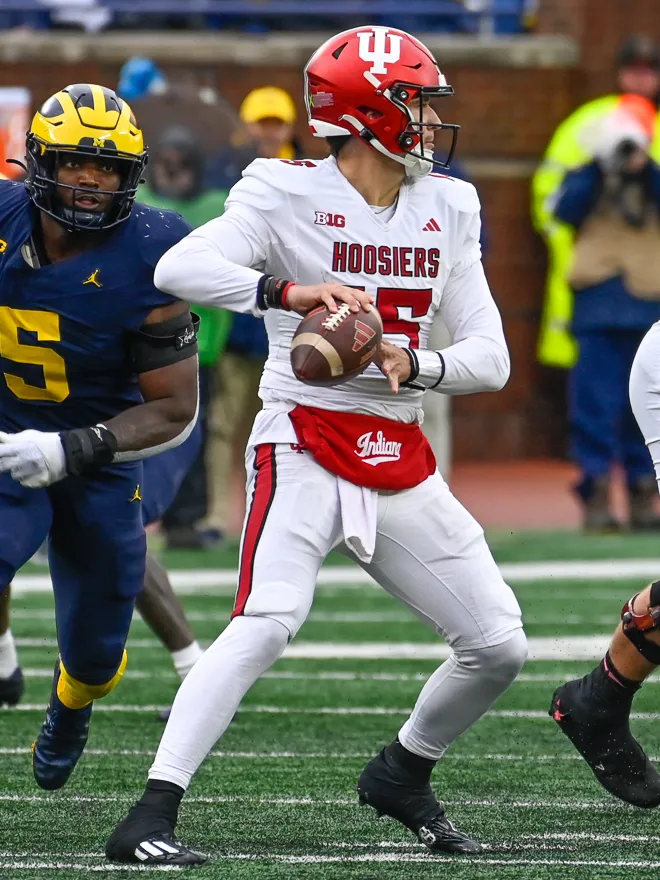
Brendan Sorsby, who transferred to Texas Tech in January 2026 after two seasons at Cincinnati, is taking an indefinite leave of absence from the team to enter a residential treatment program for gambling addiction. This development raises significant concerns regarding his eligibility and future in college football.
Sources indicate that the NCAA is currently investigating Sorsby’s gambling activities, which reportedly include placing bets on Indiana football while he was a redshirt freshman in 2022. Documents show that Sorsby has been linked to making thousands of online bets across various sports, raising questions about the potential ramifications on his standing with Texas Tech.
Despite these challenges, Texas Tech has publicly expressed its commitment to supporting Sorsby through this difficult period. Head coach Joey McGuire stated, “We love Brendan and support his decision to seek professional help,” emphasizing the importance of focusing on Sorsby as a person rather than solely as an athlete. He further noted, “Taking this step requires courage, and our primary focus is on him as a person.” Such statements reflect the university’s approach to handling sensitive issues surrounding student-athletes.
As it stands, Sorsby has one year of eligibility remaining and was projected to earn over $4 million for the upcoming 2026 season at Texas Tech. His performance has been noteworthy; he has thrown for 60 career passing touchdowns and added another 22 rushing touchdowns during his time in college football. However, the ongoing NCAA investigation could jeopardize these prospects.
Additionally, Sorsby is embroiled in a lawsuit with the University of Cincinnati seeking a $1 million buyout related to his previous contract. His lawyers have described this agreement as “nothing more than a pay-for-play employment contract,” suggesting further complications in his transition between programs.
Observers note that Sorsby represents the highest-profile college athlete to seek treatment for a gambling issue since the legalization of sports gambling—a situation that may prompt broader discussions about gambling addiction within college athletics. Yet the full extent of Sorsby’s gambling activities remains unclear, leaving many questions unanswered.
No timeline has been shared regarding Sorsby’s treatment or potential return to football. As this situation develops, stakeholders within the NCAA and Texas Tech will likely monitor its implications closely—especially given that Sorsby’s actions could set precedents for how similar cases are handled in the future.