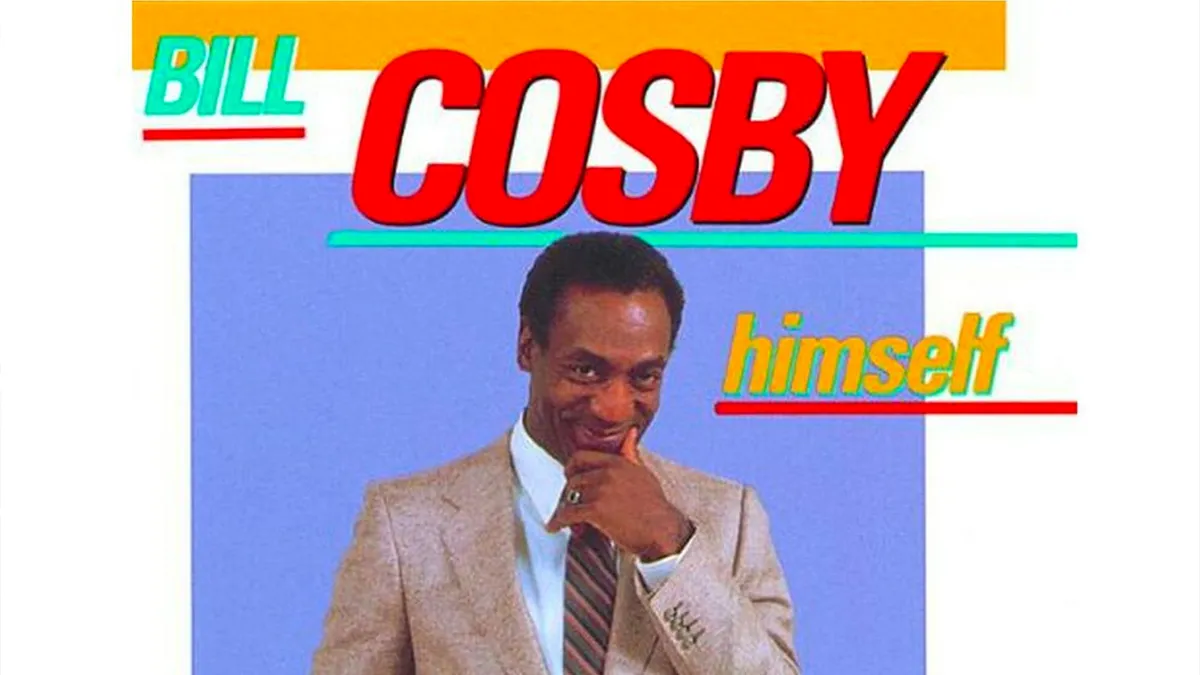
“This verdict is not just about me – it’s about finally being heard and holding Mr. Cosby accountable,” stated Donna Motsinger, reflecting the gravity of the jury’s decision that found Bill Cosby liable for drugging and raping her in 1972. The California jury’s ruling on March 24, 2026, ordered Cosby to pay a staggering total of $59.25 million to Motsinger, a significant development in the long history of allegations against the once-beloved comedian.
The jury awarded $19.25 million in damages to Motsinger earlier in the day before determining punitive damages, which totaled $40 million. This ruling came after three days of deliberation, during which the jury weighed the evidence of Motsinger’s claims of sexual assault and sexual battery. Motsinger was awarded $17.5 million for past mental trauma and an additional $1.75 million for future mental suffering, underscoring the profound impact of the assault on her life.
In a case that has drawn significant public attention, Motsinger’s lawsuit was filed in 2023 under changes in California’s statute of limitations for sex crimes, allowing her to seek justice decades after the incident. She met Cosby at a restaurant where she worked in 1972, the same night he recorded his album Inside the Mind of Bill Cosby. Despite the overwhelming evidence presented, Cosby did not testify in his own defense during the trial, maintaining his long-standing denial of all allegations of sexual abuse.
Cosby, now 88 years old, has faced numerous allegations of sexual misconduct since 2014, with this latest verdict adding to his controversial legacy. He was previously convicted in 2018 for the 2004 rape of Andrea Constand, but that conviction was overturned in 2021, allowing him to walk free after serving three years of his sentence. The legal landscape surrounding Cosby has been tumultuous, with each new case reigniting discussions about accountability and the treatment of sexual assault survivors.
Following the verdict, a former representative for Cosby expressed that he was “deeply saddened by the verdict, which he said sets a dangerous precedent.” This sentiment reflects the ongoing debate about the implications of such rulings on the broader context of sexual assault cases and the legal system’s handling of them. Cosby himself has stated, “I have never changed my stance or my story,” reiterating his position amidst the mounting evidence against him.
The drugging and rape allegations have not only tarnished Cosby’s reputation but have also sparked a national conversation about the prevalence of sexual violence and the importance of believing survivors. Motsinger’s case, in particular, highlights the challenges faced by victims seeking justice in a system that has historically favored the accused.
As the dust settles on this landmark ruling, the implications for Cosby and other survivors of sexual violence remain to be seen. The case serves as a reminder of the long-lasting effects of such crimes and the importance of continued advocacy for victims’ rights. The legal battles surrounding Cosby are far from over, and observers will be watching closely for any further developments in this ongoing saga.