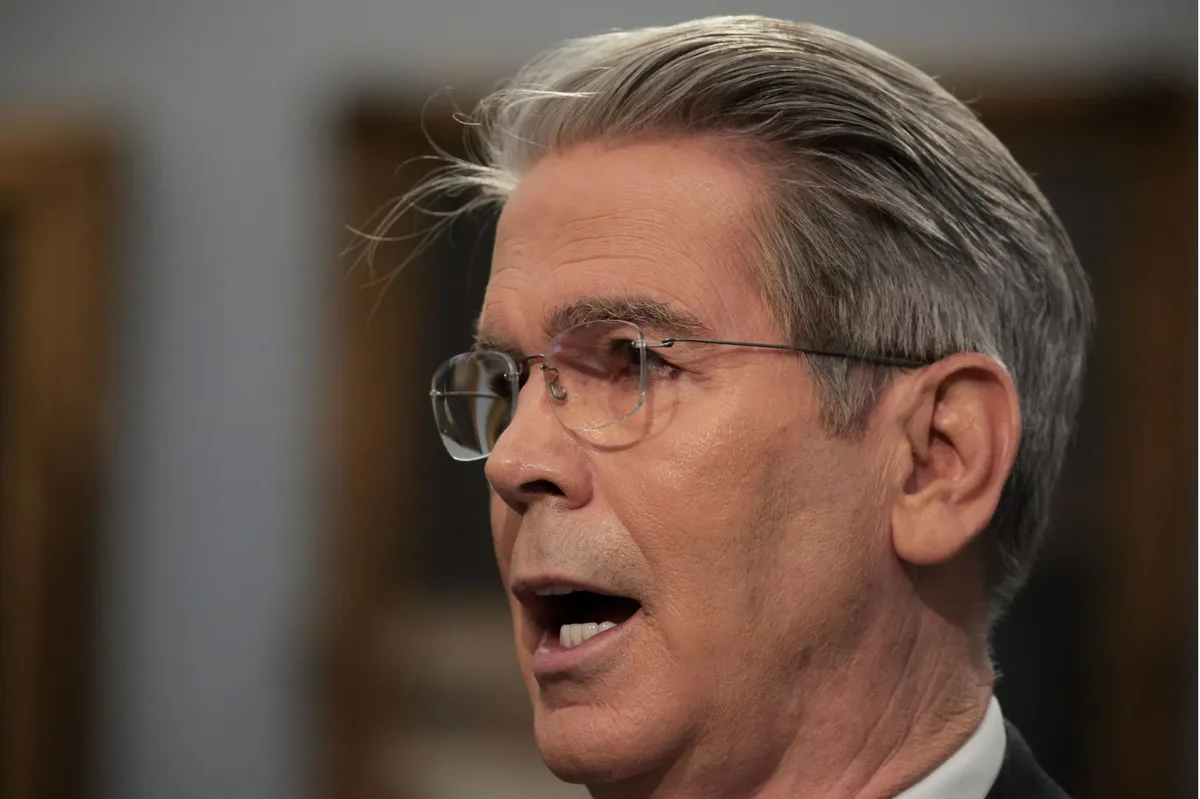
The proposal for banks to collect proof of citizenship from customers is gaining traction, building on discussions reported in February. Currently, proof of citizenship is not a requirement to open a bank account in the United States, but an executive order is in process that could change this landscape significantly.
Scott Bessent, a key proponent of the initiative, argues that it is essential for transparency, stating, “I don’t think it’s unreasonable… Why don’t we have information on who’s in our banking system?” He draws parallels to regulations in the UK, where authorities require documentation for residents in every apartment.
However, the proposal has sparked considerable backlash from industry groups and banking institutions. Concerns have been raised about the feasibility and cost of implementing such a requirement. Banks warn that the need for documentation could disrupt access to financial services for many Americans.
As of 2025, there were approximately 183 million U.S. passports in circulation, while the U.S. population exceeds 340 million. Critics of the proposal argue that many Americans do not have ready access to the necessary documents for citizenship verification, raising questions about the practicality of enforcing such a requirement.
Internal resistance has also emerged within the Treasury Department regarding the proposal, with some officials labeling the idea as a “complete nightmare” logistically. The challenges of verifying every customer’s citizenship status have been described as “unworkable,” leading to uncertainty about the proposal’s future.
Details remain unconfirmed regarding the exact implementation timeline and policy specifics. As discussions continue, observers are left to speculate on the potential impacts of this significant shift in banking regulations.