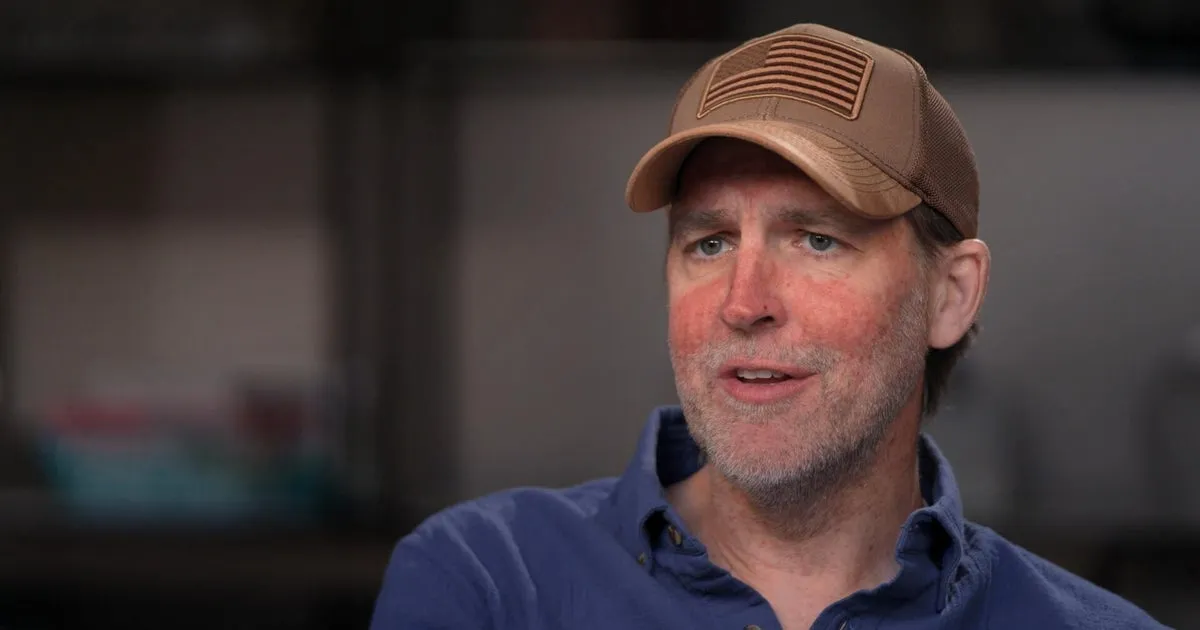
Ben Sasse, diagnosed with advanced pancreatic cancer at the age of 54, now finds himself reflecting on his life and faith while advocating for a more profound political discourse. This diagnosis comes at a time when he has recently transitioned from his role in the U.S. Senate to become president of the University of Florida, having resigned in 2023 after serving in the Senate since 2015.
Documents show that Sasse’s cancer has metastasized to multiple organs, including the liver and lungs, which has understandably raised concerns regarding his health and future. Sources indicate that upon diagnosis, medical professionals provided him with a life expectancy of only three to four months. However, after undergoing treatment, he reported a significant 76% reduction in tumor volume after just four months.
Throughout his career, Sasse has been known for his willingness to break ranks within his party. He was one of seven Republicans who voted to convict President Donald Trump during impeachment proceedings in 2021. This decision reflects not only his political stance but also his belief that Congress often succumbs to dysfunction—an issue he attributes to a lack of genuine deliberation.
Sasse articulated his views on the current political climate by stating, “The Senate needs to be less like Instagram. The Senate needs to be more deliberative.” This sentiment underscores a growing frustration among some lawmakers regarding the trend of prioritizing sound bites over substantive discussions—a phenomenon that many observers believe contributes to Congressional dysfunction.
His reflections extend beyond politics; Sasse has shared poignant thoughts on mortality itself. He remarked, “Death is wicked. Death is evil. Death is not how it’s supposed to be,” revealing a deeply personal struggle with the implications of his illness as he contemplates both life and legacy.
As he navigates this challenging chapter, Sasse draws strength from his family—having been married for 31 years and raising three children aged 24, 22, and 14. His commitment to community building remains evident as he engages with those around him during this difficult time.
Yet uncertainties linger regarding what lies ahead for both Sasse personally and for the broader political landscape that he critiques so fervently. He has expressed determination not to succumb quietly to this illness: “I’ll have more to say. I’m not going down without a fight.” As he continues treatment and reflects on his priorities, observers will undoubtedly monitor how these personal challenges intersect with his public advocacy.