Who is involved
April Fools’ Day, celebrated annually on April 1, has a rich history dating back to the 15th century, where it became synonymous with pranks and jokes. Traditionally, this day was a time for light-hearted fun, where individuals played tricks on one another, often leading to humorous situations. However, as the years have progressed, the nature of April Fools’ Day has evolved significantly, particularly in the realm of marketing.
In recent years, brands have increasingly recognized the potential of April Fools’ Day as a platform for promotional stunts. The decisive moment came when companies began to leverage the day not only for humor but also as a strategic marketing opportunity. For example, Taco Bell’s infamous 1996 prank about purchasing the Liberty Bell generated an astonishing $25 million in publicity, showcasing the power of a well-executed joke. This shift has led to a surge in participation from various sectors, with companies crafting elaborate campaigns to engage consumers.
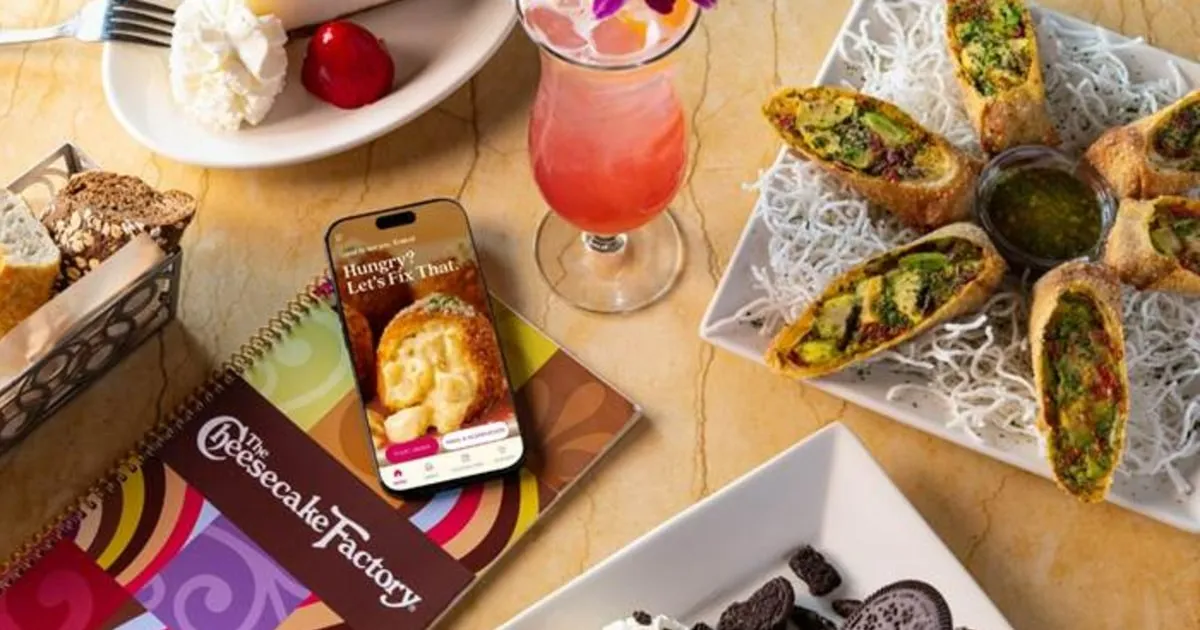
The immediate effects of this transformation have been profound. In 2026, brands like Yasso and Bad Daddy’s Burger Bar are offering enticing deals, such as Yasso’s giveaway of 40,001 free Spoonables and Bad Daddy’s select beers starting at just $4. BJ’s Restaurant & Brewhouse is also joining in with a Sweet Heat Pepperoni Pizookie priced at $4.01. These promotions not only attract customers but also create a buzz around the brand, effectively turning a day of jokes into a profitable venture.
However, the approach to April Fools’ Day is not without its risks. As noted by marketing expert Shannon Chirone, “April Fools’ Day is one of the most enticing and treacherous dates on the marketing calendar.” Brands must tread carefully, as a poorly received prank can lead to backlash. For instance, Volkswagen’s 2021 joke about changing its name to ‘Voltswagen’ resulted in stock fluctuations, highlighting the potential pitfalls of misjudged humor.
Moreover, the stakes are high for companies that choose to engage in this playful banter. The entire premise of April Fools’ Day revolves around making someone look foolish, as Kelsey Gill points out. This can lead to a fine line between clever marketing and an embarrassing misstep. Google, for instance, acknowledged the delicate balance when they stated, “We love April Fools jokes at Google, and we regret that this joke missed the mark and disappointed you.” Such admissions underline the importance of understanding audience sentiment and brand reputation.
As brands continue to navigate this complex landscape, the data suggests that the rewards can be significant. Companies that successfully engage consumers through humor and creativity can enhance brand loyalty and visibility. For example, Checkers & Rally’s is selling its Big Buford burger for $3 on April 1-2, while Hooters offers 10 wings for $3.99. These promotions not only serve as a draw for customers but also position the brands as fun and relatable in the eyes of consumers.
In conclusion, April Fools’ Day has transitioned from a day of harmless pranks into a strategic marketing event that can yield substantial benefits for brands. As companies continue to experiment with their approaches, the balance between humor and strategy will remain crucial. The evolution of this day reflects broader trends in consumer engagement and the importance of adapting to changing market dynamics.