Introduction
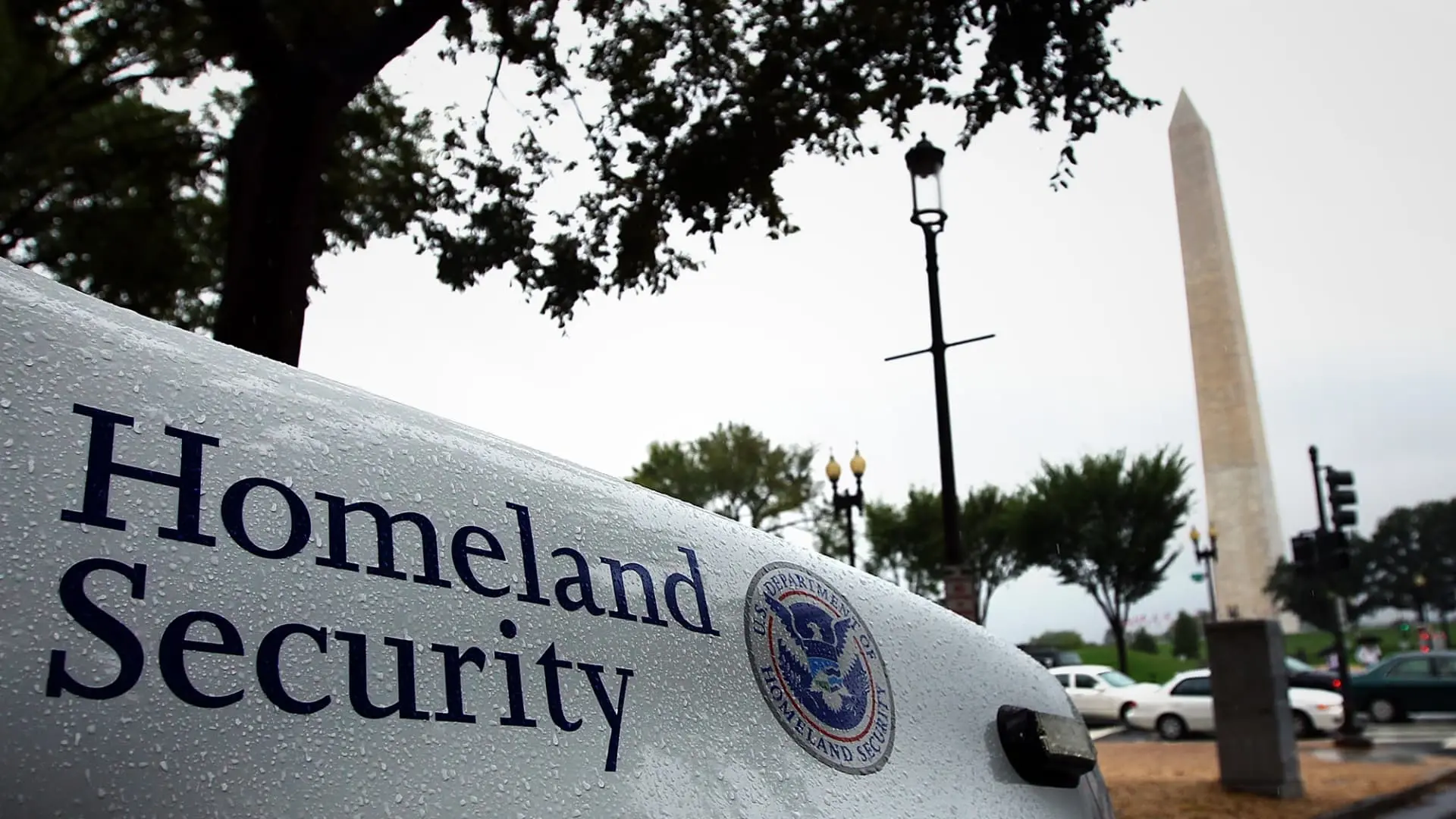
The Department of Homeland Security (DHS) plays a crucial role in safeguarding the United States against threats and managing emergency responses. As discussions surrounding a potential government shutdown loom, concerns intensify regarding how a DHS shutdown could impact national security, immigration services, and disaster preparedness. With increasing pressure on budgets and partisan tensions, understanding the implications of a DHS shutdown is vital for citizens and policymakers alike.
Current Situation
As of October 2023, Congress faces a ticking clock to reach a budget agreement that funds the federal government, including the DHS. The looming deadline has highlighted a significant partisan divide over spending priorities, especially concerning immigration policies and border security funding. The House of Representatives has seen multiple proposals, but deadlocks continue to stall progress.
A shutdown at the DHS would mean that thousands of employees could be furloughed while critical services could be severely disrupted. This includes the Transportation Security Administration (TSA), which oversees airport security and could lead to increased wait times or challenges in air travel. The Federal Emergency Management Agency (FEMA) would also face operational halts, undermining national disaster response capabilities during a peak hurricane season.
Implications on National Security
Experts warn that a DHS shutdown could create vulnerabilities in national security. With limited personnel on duty, monitoring immigration at borders may become inadequate, leaving gaps that could be exploited by those looking to commit illegal activities. Cybersecurity measures might also weaken, posing risks to critical infrastructure and government services during a time when digital threats are on the rise.
Public Impact and Response
Public services that rely on DHS oversight would also face immediate consequences. Delays in processing immigration applications, travel document issuance, and even law enforcement operations could spring up. For instance, U.S. Citizenship and Immigration Services (USCIS) would scale back its operations, leading to significant delays for countless applicants.
Conclusion
The potential DHS shutdown poses a significant risk that extends beyond just budgetary constraints; it threatens the very fabric of national security and citizen safety. As discussions evolve in Congress, it is paramount for lawmakers to prioritize solutions that prevent a shutdown, ensuring the continued operations of vital services under the DHS. Citizens should remain informed and engaged, as the outcomes of these negotiations could profoundly affect their day-to-day lives and national well-being.