Introduction
Charcot-Marie-Tooth (CMT) disease represents one of the most common inherited neurological disorders, affecting approximately 1 in 2,500 individuals in the United States. Its significance lies not only in its prevalence but also in its impact on daily life, mobility, and the ability to perform everyday tasks. The disease can lead to muscle weakness and sensory loss, disproportionately affecting the legs and arms, which makes understanding and addressing CMT essential for improving the quality of life for those affected.
Understanding Charcot-Marie-Tooth Disease
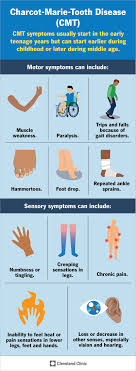
CMT encompasses a group of hereditary disorders that affect the peripheral nerves. This condition arises due to mutations in genes that are critical for the function and structure of peripheral nerves, leading to myelin sheath degeneration or axonal damage. CMT is mainly categorized into two types: CMT1A, characterized by demyelination, and CMT2, which involves axonal degeneration. Symptoms often start in childhood or early adulthood, manifesting as muscle weakness, foot deformities, and difficulty in maintaining balance.
Current Events in Research and Treatment
Recent advances in genetic research have provided deeper insights into the mechanisms of CMT. The ongoing development of gene therapies and medications aims to target the underlying genetic causes of the disease. For instance, 2023 has seen promising clinical trials exploring the efficacy of small molecular drugs that could potentially enhance nerve regeneration and function. Additionally, supportive therapies such as occupational and physical therapy continue to play a crucial role in managing symptoms and maintaining mobility for patients.
Conclusion
As awareness of Charcot-Marie-Tooth disease grows, so does the urgency for research funding and the development of targeted treatments. The collaboration between researchers, healthcare providers, and patient advocacy groups has become pivotal in driving forward the prospects of innovative therapies. For individuals affected by CMT, these advancements offer hope for better treatments that could significantly enhance their quality of life. As we look forward, it is critical to continue educating society about CMT, reducing stigma and promoting understanding of this condition that affects many yet remains relatively unknown.