Introduction
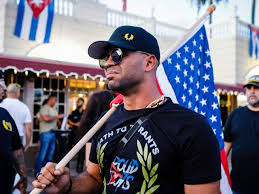
The Proud Boys, a far-right group known for its controversial views and involvement in various protests, has garnered significant attention in recent years. As discussions around extremism and political polarization intensify in the United States, understanding the origins, beliefs, and recent events connected to the Proud Boys becomes increasingly important. This group has shaped conversations around identity, nationalism, and the landscape of political activism today.
Origins and Beliefs
Founded in 2016 by Gavin McInnes, the Proud Boys describe themselves as a fraternal organization for men who support traditional Western values. They advocate for what they identify as ‘pro-West’ beliefs and often emphasize a return to masculinity, which they feel is under threat in contemporary society. The group has been characterized by some as misogynistic and has been associated with violence and hate speech, though its members often reject such labels, insisting on their right to free speech and assembly.
Recent Events and Impact
In recent years, the Proud Boys have made headlines for their participation in several high-profile protests and riots. Notably, their involvement in the January 6, 2021, Capitol insurrection marked a significant turning point for the group, leading to increased scrutiny from law enforcement and civil rights organizations. Several members have faced serious legal consequences as a result, with some receiving prison sentences for their actions that day.
The Southern Poverty Law Center (SPLC) has designated the Proud Boys as a hate group, citing their actions and rhetoric as contributing factors to political violence and extremism. This designation has sparked debates around free speech, censorship, and the responsibilities of organizations in moderating hate speech versus protecting the freedom of expression.
Conclusion
The Proud Boys continue to play a controversial role in the current socio-political landscape of the United States. As they navigate legal challenges and societal backlash, their presence raises critical questions about the intersections of politics, culture, and extremism. Observers and scholars will undoubtedly continue to study the Proud Boys and their influence as understanding their impact becomes crucial in addressing broader issues of hate and radicalization in America. The future of the group remains uncertain, yet its implications for civil discourse and societal norms will persist, making it essential for readers to remain informed and engaged.