Introduction
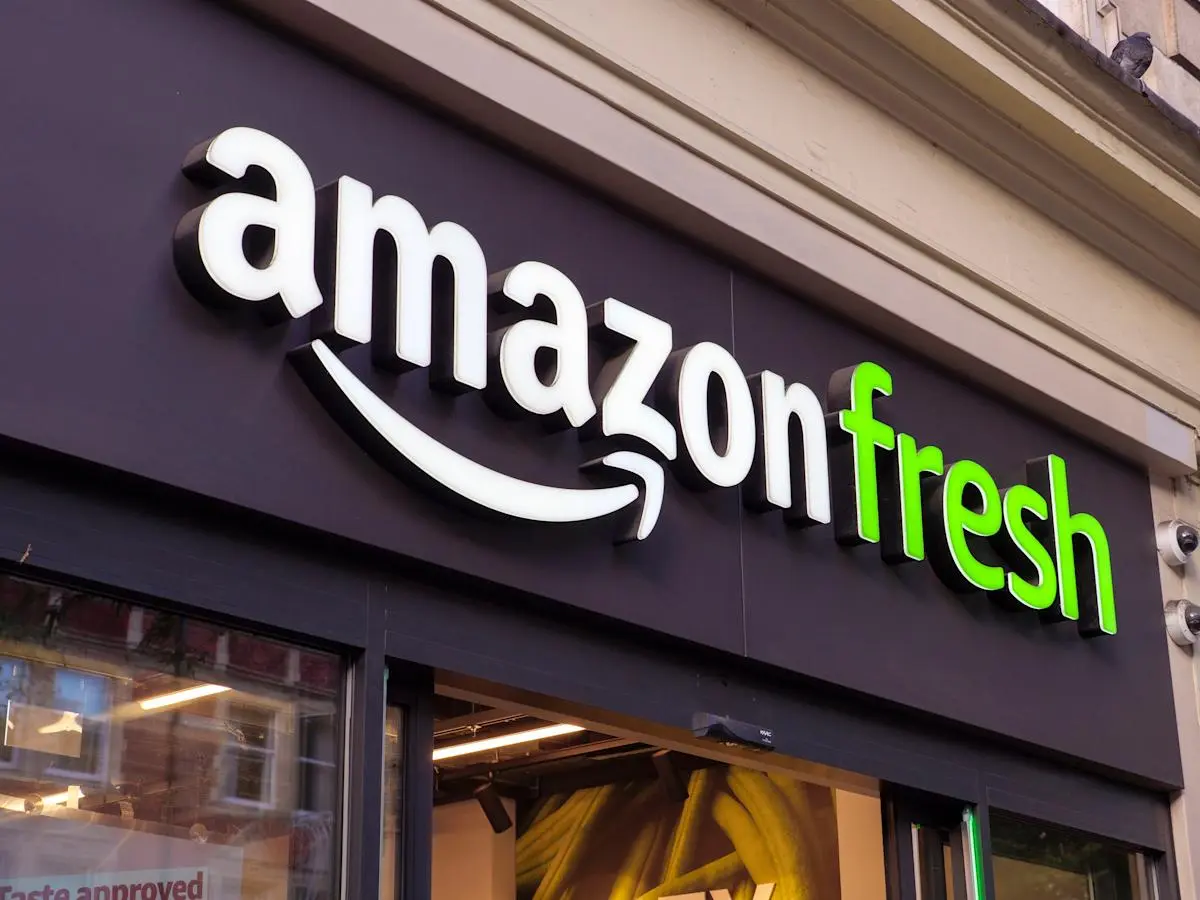
The news of Amazon Fresh grocery stores closing has raised eyebrows among consumers and industry experts alike. As part of Amazon’s ongoing reevaluation of its grocery strategy, the company has decided to shut down several of its Fresh locations across the United States. This move reflects the challenges the e-commerce giant faces in the competitive grocery sector, where it seeks to balance profitability and customer demand.
Details of the Closures
Earlier this month, Amazon confirmed the closure of at least eight Amazon Fresh grocery stores located in various states, including California, Illinois, and New York. The decision is attributed to various factors, including underperformance in sales and a need to refocus on its more successful grocery formats. The affected stores have been notified, with operations expected to cease in the coming weeks. The closures represent less than 10% of the total Amazon Fresh locations.
Since its launch in 2020, Amazon Fresh has aimed to combine online grocery shopping with a brick-and-mortar experience. However, several factors have complicated this vision, including shifting consumer habits post-pandemic, inflationary pressures, and fierce competition from established grocery chains.
Industry Response
Industry analysts have mixed opinions regarding Amazon’s decision. Some view the closure as a strategic retreat, advocating that the company should prioritize its successful Whole Foods Market brand while others argue it’s a step back from a grocery market that Amazon has heavily invested in. According to a recent study, nationwide increases in grocery prices and a tighter economy have impacted customer spending habits, leading many to reconsider their grocery shopping preferences.
Conclusion
The closure of Amazon Fresh stores highlights the complexity of the grocery retail landscape as companies navigate changing consumer preferences and economic conditions. With Amazon’s history of agility and innovation, it remains to be seen how the company will pivot in response to these challenges. For consumers, the closures may also signal a shift in grocery options available within their communities, possibly leading to a tighter competition amongst remaining local and national grocery chains.
In the long term, this strategic reevaluation by Amazon could lead to a more sustainable approach to grocery retail, focusing on more profitable avenues, which might leave customers better served in the end.