Introduction to Kei Cars
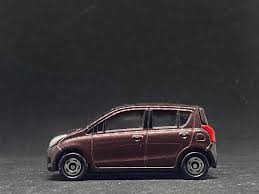
Kei cars, or ‘kei jidosha,’ are a category of small vehicles in Japan that have become increasingly important in the automotive world. Their compact design allows for easy maneuverability in crowded urban areas, providing not only a solution for high-density traffic but also a more environmentally friendly option due to their fuel efficiency. As cities around the globe face rising congestion levels and environmental concerns, kei cars present a relevant case study in sustainable urban transport.
Defining Features of Kei Cars
Introduced in 1949, kei cars are subject to strict regulations, including a maximum length of 3.4 meters, a width of 1.48 meters, and an engine capacity of no more than 660cc. These limitations contribute to the unique design and functionality of kei cars, which often feature innovative interiors and design elements intended to maximize space and comfort. The compact size of these vehicles allows for easy parking and lower taxes, making them attractive to city dwellers.
The Rise of Kei Cars
In recent years, kei cars have gained popularity not just in Japan but internationally as well. In Japan, they account for about 40% of new car sales, proving to be a staple of everyday life. With an increasing number of manufacturers, including Suzuki, Daihatsu, and Honda, producing these vehicles, the market has become highly competitive. The trend is also being noticed outside Japan, particularly with a growing interest in microcars in urban settings worldwide.
The Environmental Impact
Kei cars typically boast lower emissions compared to larger vehicles, making them an environmentally friendly option. They not only require less fuel but also encourage smaller road usage, reducing overall congestion. As governments worldwide push for greener alternatives, kei cars could serve as a model for future vehicle categories that prioritize compactness and efficiency.
Market Outlook and Conclusion
As urban populations grow and sustainability becomes increasingly critical, the kei car market is poised for expansion. Automakers are likely to continue innovating within this segment, introducing electric kei cars and advanced features that appeal to modern consumers. For readers considering vehicle options, kei cars represent a practical and eco-friendly choice likely to remain relevant in the evolving automotive landscape.