Introduction
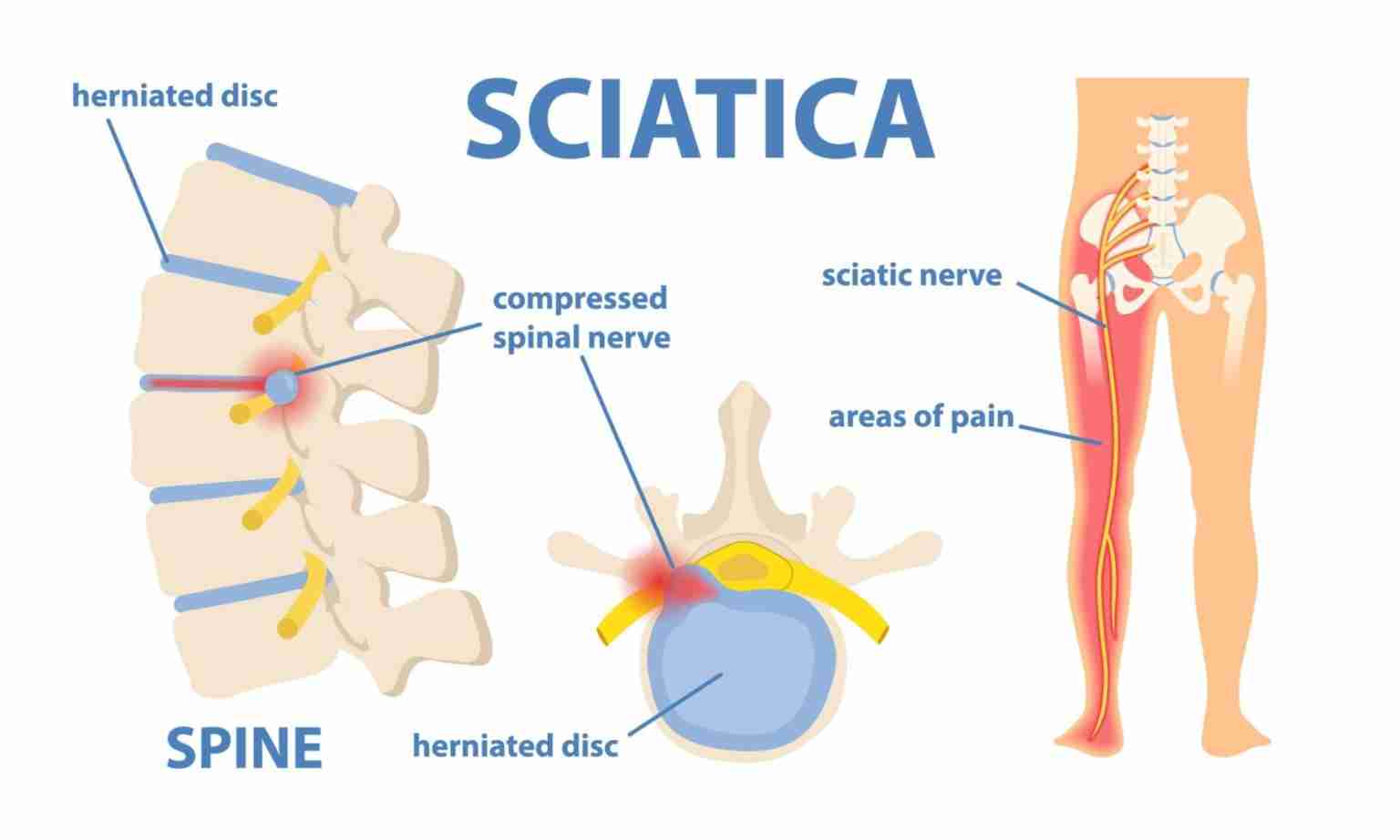
Sciatica is a common condition that affects a significant portion of the population, characterized by pain that radiates along the path of the sciatic nerve, which runs from the lower back down through the legs. Understanding sciatica is crucial, as it can impact individuals’ quality of life, mobility, and overall well-being. With an estimated 40% of people experiencing sciatica at some point in their lives (source: Mayo Clinic), recognizing its causes, symptoms, and treatment options is essential.
What Causes Sciatica?
Sciatica typically arises due to a variety of underlying conditions that can compress the sciatic nerve. The most common causes include:
- Herniated Discs: Intervertebral discs can bulge or rupture, putting pressure on the adjacent nerve roots.
- Spinal Stenosis: Narrowing of the spinal canal can lead to nerve compression.
- Spondylolisthesis: A condition where one vertebra slips out of place, causing nerve irritation.
- Piriformis Syndrome: Tightness or spasms in the piriformis muscle can lead to sciatic nerve compression.
Symptoms of Sciatica
The hallmark of sciatica is pain that can be described as sharp, burning, or even tingling sensations along the sciatic nerve’s pathway. Symptoms may vary in intensity and can include:
- Radiating pain from the lower back to the leg
- Numbness or weakness in the affected leg
- Changes in reflexes
- Pain that worsens with prolonged sitting or movement
Treatment Options
While sciatica can be debilitating, various treatment approaches can help alleviate symptoms:
- Physical Therapy: Tailored exercises can strengthen muscles, improve flexibility, and relieve pressure on the sciatic nerve.
- Medications: Over-the-counter pain relief such as NSAIDs, as well as prescription medications, may be employed for inflammation and pain management.
- Injections: Cortisone injections can reduce inflammation and swelling around the nerve roots.
- Surgery: In severe cases, surgical intervention may be necessary to relieve pressure on the sciatic nerve.
Conclusion
As sciatica remains a prevalent condition affecting millions, awareness of its symptoms and the array of treatment options available is essential. Early intervention can lead to more effective management and faster recovery. Individuals experiencing persistent or severe symptoms should consult a healthcare professional for a comprehensive evaluation and tailored treatment plan. By understanding sciatica, individuals can better equip themselves to confront and manage the challenges associated with this condition.