Introduction
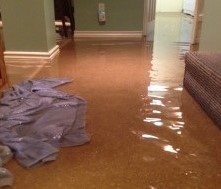
Basement flooding is a significant concern for homeowners, especially in areas prone to heavy rainfall, melting snow, or rising water tables. Not only does it lead to financial burdens due to damages and repairs, but it also poses health risks related to mold and mildew growth. As extreme weather events become more common due to climate change, understanding the causes and prevention strategies for basement flooding has never been more crucial.
Common Causes of Basement Flooding
One of the primary causes of basement flooding is heavy rainfall that overwhelms the drainage systems. This can lead to surface water pooling around the foundation, eventually seeping through cracks or porous materials. Additionally, improper grading of the yard can direct water towards a home instead of away from it.
Another significant factor is the failure of sump pumps. Sump pumps are designed to collect and remove water from basements; however, if they fail due to power outages or mechanical issues, the basement can quickly fill with water. Moreover, burst pipes and sewage backups are also common culprits, especially if maintenance and inspection are neglected.
Prevention Strategies
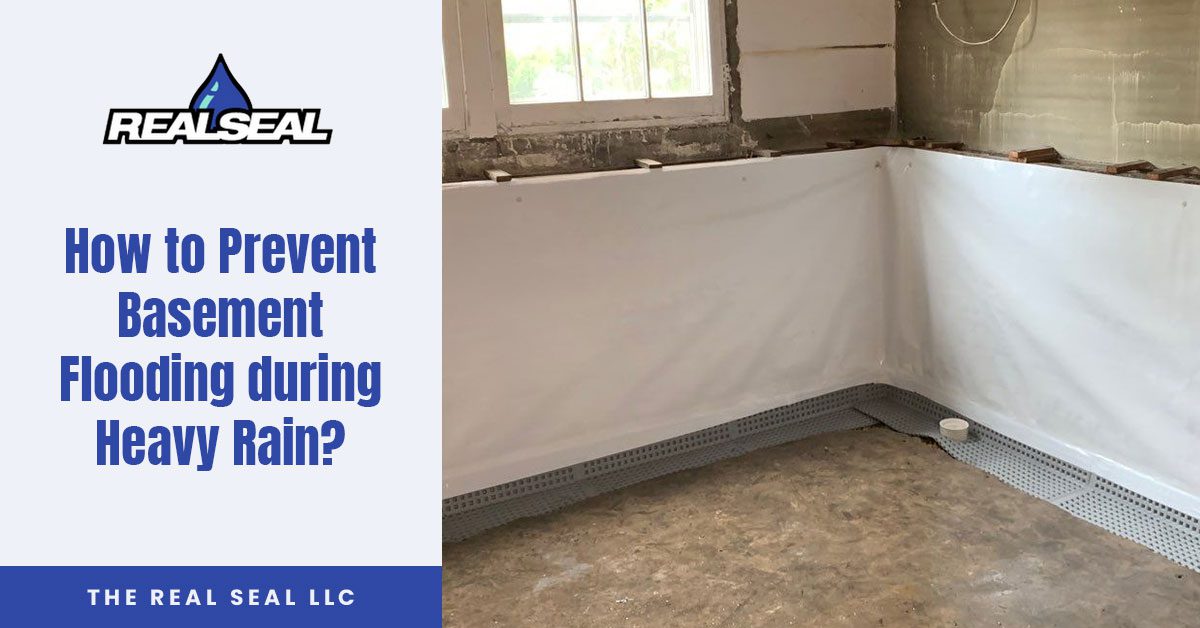
Preventing basement flooding requires a proactive approach. Homeowners are encouraged to inspect gutters and downspouts regularly. Ensuring these systems are clear of debris allows them to function correctly and direct rainwater away from the foundation. Installing downspout extensions can further help in managing water flow.
Maintaining proper grading around the home is equally vital. The ground should slope away from the foundation, and landscaping elements should be designed to channel water away. Installing a sump pump battery backup system can also provide an added layer of security during power failures.
Responding to Basement Flooding
In the event of flooding, immediate action is essential. Homeowners should turn off electrical appliances and be cautious about potential structural risks. Removing standing water as soon as possible minimizes damage and the likelihood of mold formation. It is also advisable to contact professionals for cleanup and restoration to ensure proper remediation.
Conclusion
With an increasing frequency of severe weather patterns, basement flooding is likely to remain a pressing issue for many homeowners. Awareness of the causes and implementing preventive measures can greatly reduce the risk of damage. Taking proactive steps not only protects personal property but also contributes to overall public health by preventing mold and other hazards. Homeowners are encouraged to evaluate their properties and consult professionals as needed to ensure their home is prepared for potential flooding.